Kincardine-in-Menteith
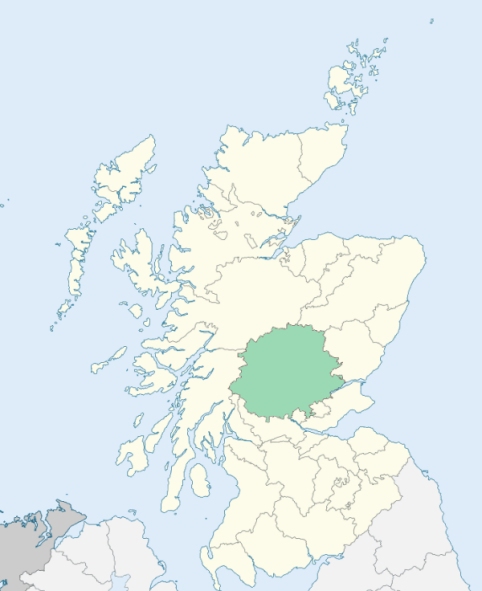
Kincardine is a parish in the district of Menteith, about the middle of the southern verge of Perthshire. It consists of two parts, both bounded on the south by the River Forth and detached from each other at the average distance of 2½ miles by the southern part of the parish of Kilmadock. (1867: The Imperial Gazetteer of Scotland, by John Marius Wilson).
Blair Drummond, Cambusdrenny, Kincardine, Kirklaue, Norrieston, Redhouse, Thomhill, Woodbine
Blair Drummond, Coldoch, Craighead, Doune, Lanrick, Ochtertyre
Part of the parish of Kincardine situated at Thornhill was separated from the main portion of the parish by the southern part of the parish of Kilmadock. An exchange of territory was effected between these two parishes. Part of the detached part and part of the main portion of Kincardine were given to Kilmadock, and the remainder of the detached part was united to the main portion of Kincardine by the annexation to Kincardine of a small intervening part of Kilmadock. See affected properties and landholders. (1892: Boundary of counties and parishes in Scotland as settled by the Boundary Commissioners under the Local Government Act, 1889, by Hay Shennan)
PRE-REFORMATION GOVERNANCE:
POST-REFORMATION GOVERNANCE:
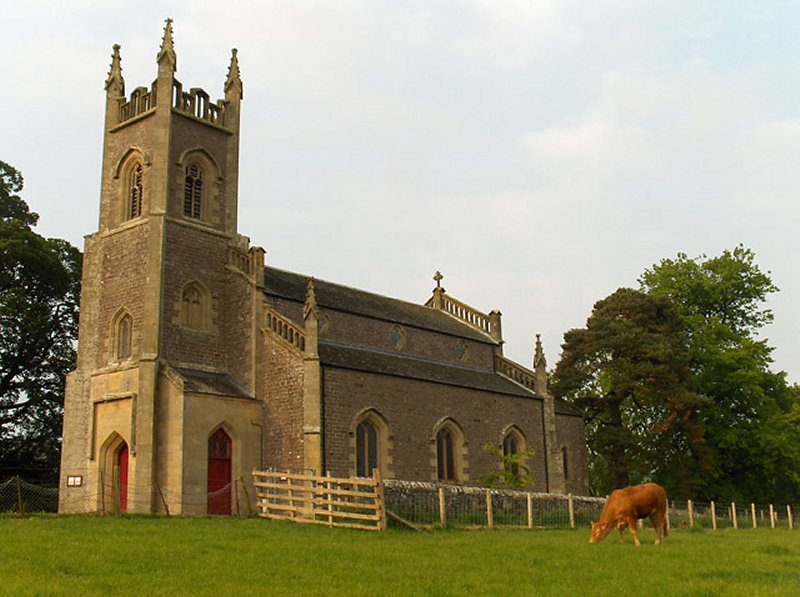
The church of Kincardine was dedicated to St Lolan. It belonged to the Abbey of Cambuskenneth.
Disjoined Quoad Sacra Parishes:
Norrieston. A chapel was built here in 1650 on a site gifted by Gilbert Norrie of Norrieston. The parish of Norrieston was disjoined from Port of Menteith, Kincardine-in-Menteith, and Kilmadock on 16 July 1877. A new church was built in 1879.
Includes ministers, licentiates, assistants, readers, and clerks.
Kincardine (QO)
Kincardine East (QO)
Norrieston (QS)
(1928: Fasti Ecclesiæ Scoticanæ, by Hew Scott, D. D.)
Parish registers turned over to the Registrar-General, as a result of the Registration of Births, Deaths, and Marriages (Scotland) Act of 1854. The letters B. D. and M. indicate Births (or Baptisms), Deaths (or Burials), and Marriages (or Proclamations of Banns) respectively. Numbers indicate separate volumes or books. Note: These records are by no means complete or without damage; consult the Detailed List of the Old Parochial Registers of Scotland (1872) to learn more about the condition of the records.
| OPR and RD Numbers | |||
|---|---|---|---|
| Date Range | Name | Number | Type |
| 1691-1854 | Kincardine | 364 | OPR |
| 1855-1953 | Kincardine | 364 | RD |
| 2009 | Stirling Council, Stirling | 473 | RD |
| 2026 | Stirling Council; Thornhill and Blairdrummond Community Council | ||
(2009: Parishes and Registration Districts of Scotland - Old and New, National Records of Scotland)
Local community councils (2026) are provided as a potential source of additional information for settlements within the original boundaries of the parish. (Source)
Statistics from informal and official censuses
Black, Brown, Cameron, Campbell, Dow, Ferguson, Fisher, Maxwell, Moir, Stewart
Note: Names appearing in research materials, other than censuses. Simple names (First name, surname only) have been omitted unless they appear associated with large properties. All women's names, and men's names with occupations, military ranks, or peerage titles are included.
By the Reverend Mr Christopher Tait.
"The number of souls at present is 2068. Norriestown and Thornhill are the only villages in the parish; they are now joined. The inhabitants of both amount to 626. The greater part of these, and a few cottagers in other parts of the parish, are labourers or handicraftsmen. Tanning is the only trade of any consequence carried on in Thornhill; it does not employ above 20 hands. There are also a few of the parishioners employed at the Adelphi cotton work. There are 66 tenants, and 126 moss tenants within the parish.
About a third of the parishioners are separatists of different denominations; the Burgher Seceders are the most numerous class. The Antiburgher Seceders, and adherents of the Presbytery of Relief are next to them in number. There are a few Cameronians and some Episocopalians, and also 4 families of Roman Catholics who came lately from the Highlands.
The people of this parish are regular in performing all the external duties of religion, and are in general sober, industrious, and frugal. Among several of them, however, the effects of the distillery of malt spirits, that was carried on to a great extent in Thornhill, before the act restricting it to stills of a very large capacity was passed, are still discernible, in that want of veracity, and of respect for the law, that propensity to intemperance, to fraud and pilfering, which the superabundance of spirituous liquors, and the habits of defrauding Government have so strong a tendency to produce.
The Scotch language is spoken ordinarily. But as for many years past, a considerable proportion of the servants here have been natives of the Highlands, and of late above a hundred families from these countries have settled in the parish, principally in the moss. The Gaelic is the only language spoken by some of the inhabitants, and many more of them understand it better than the Scotch."
(This section contains excerpts, at times restructured or paraphrased, from an article appearing in Statistical Account of Scotland, Sir John Sinclair, 1791-1799)
Primary Sources:
Statistical Account of Scotland (1791-1799), Volume 6, p. 477
New Statistical Account of Scotland (1834-1845), Volume 10, p. 1243
See Parish Page Sources for all source information and links.