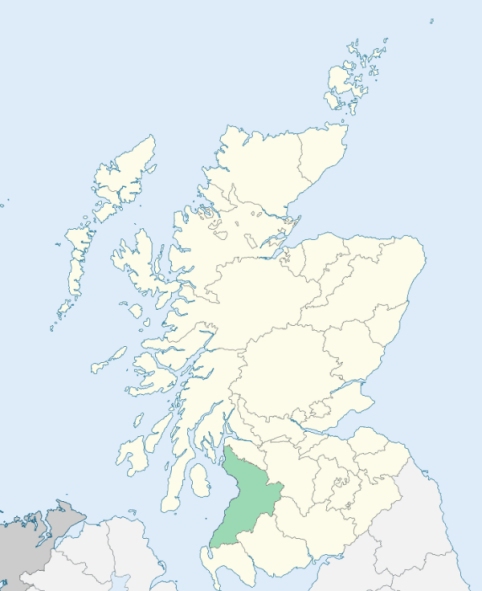
Kilbirnie is a parish in the north-west of Cunningham, Ayrshire. It is bounded by Renfrewshire, and by Beith, Dalry, and Largs. (1867: The Imperial Gazetteer of Scotland, by John Marius Wilson).
Glengarnock, Hagsthorne, Kilbirnie, Longbar
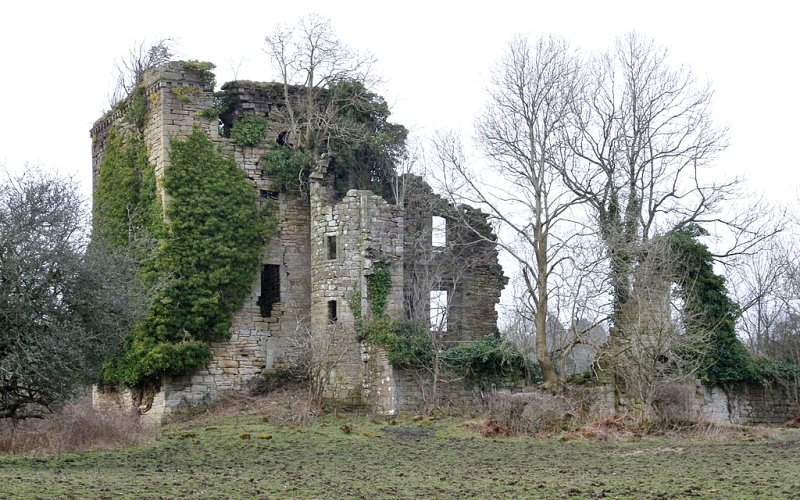
Ladyland
PRE-REFORMATION GOVERNANCE:
POST-REFORMATION GOVERNANCE:
The church of Kilbirnie was dedicated to St Breandan and St Breandan's Well was near. The church belonged to the Abbey of Kilwinning. On St Breandan's Day, the 28th of May, a fair was held at Kilbirnie. Of several dates carved upon the church, the earliest is 1597. That, however, evidently refers to an addition.
Includes ministers, licentiates, assistants, readers, and clerks.
(1928: Fasti Ecclesiæ Scoticanæ, by Hew Scott, D. D.)
Parish registers turned over to the Registrar-General, as a result of the Registration of Births, Deaths, and Marriages (Scotland) Act of 1854. The letters B. D. and M. indicate Births (or Baptisms), Deaths (or Burials), and Marriages (or Proclamations of Banns) respectively. Numbers indicate separate volumes or books. Note: These records are by no means complete or without damage; consult the Detailed List of the Old Parochial Registers of Scotland (1872) to learn more about the condition of the records.
| OPR and RD Numbers | |||
|---|---|---|---|
| Date Range | Name | Number | Type |
| 1688-1854 | Kilbirnie | 596 | OPR |
| 1855-1971 | Kilbirnie | 596 | RD |
| 1972-1979 | Kilbirnie | 663 | RD |
| 1980-2004 | Kilbirnie, Beith and Dalry | 663 | RD |
| 2006-2008 | Kilbirnie, North Ayrshire | 663 | RD |
| 2009 | North Ayrshire, Kilbirnie | 663 | RD |
| 2026 | North Ayrshire Council; Kilbirnie and Glengarnock Community Council | ||
(2009: Parishes and Registration Districts of Scotland - Old and New, National Records of Scotland)
Local community councils (2026) are provided as a potential source of additional information for settlements within the original boundaries of the parish. (Source)
Statistics from informal and official censuses
Allan, Barclay, Brown, Campbell, Fyfe, Kerr, Orr, Reid, Thomson, Walker
Note: Names appearing in research materials, other than censuses. Simple names (First name, surname only) have been omitted unless they appear associated with large properties. All women's names, and men's names with occupations, military ranks, or peerage titles are included.
By Mr James Adam, Assistant.
"The town or village of Kilbirny contains about 80 families, or 300 people. About 50 years ago, there were only three houses there; but the late flourishing silk manufactories have wonderfully increased the population of all the little towns in this west country; and, if the cotton works go on as they are no promising to do, the number of houses and inhabitants in every village will still increase. In 1755, the numbers were 651; and now there are nearly 700. There are, below 10 years of age, nearly 180. The people are sober, quiet, active, and industrious, and generally wealthy."
(This section contains excerpts, at times restructured or paraphrased, from an article appearing in Statistical Account of Scotland, Sir John Sinclair, 1791-1799)
Primary Sources:
Statistical Account of Scotland (1791-1799), Volume 7, p. 149
New Statistical Account of Scotland (1834-1845), Volume 5, Section I, p. 689
See Parish Page Sources for all source information and links.