Crailing and Nisbet
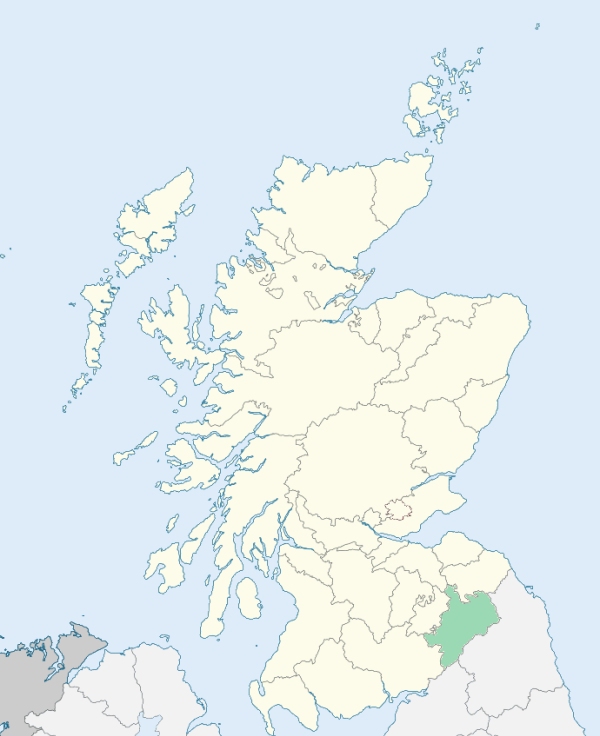
Crailing is a parish in the centre of the northern half of Roxburghshire. It is bounded on the north by Roxburgh parish, on the east by Eckford, on the south by Jedburgh, and on the west by Ancrum and Roxburgh. (1867: The Imperial Gazetteer of Scotland, by John Marius Wilson).
Crailing, East Nisbet, Nisbet, West Nisbet
PRE-REFORMATION GOVERNANCE:
POST-REFORMATION GOVERNANCE:
The parishes of Crailing and Nisbet were united in 1606.
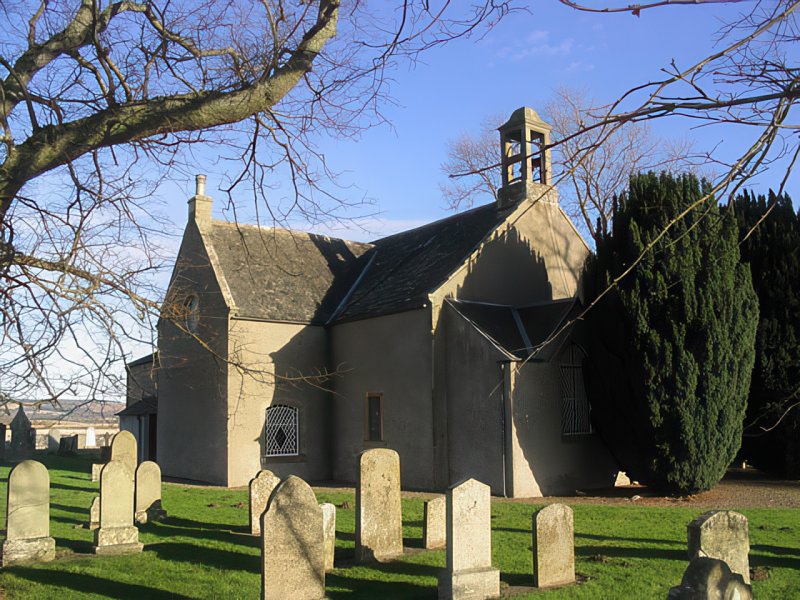
Crailing. Crailing belonged to the Abbey of Jedburgh. Within the parish were two hospitals, Crailing Spital at Monteviot in the south, and Spital Rule in the extreme north.
Nisbet. Previous to the Reformation the church belonged to the Abbey of Jedburgh. The parish was united to Crailing, 9 July 1606.
Includes ministers, licentiates, assistants, readers, and clerks.
Crailing (QO)
Nisbet (QO)
(1928: Fasti Ecclesiæ Scoticanæ, by Hew Scott, D. D.)
Parish registers turned over to the Registrar-General, as a result of the Registration of Births, Deaths, and Marriages (Scotland) Act of 1854. The letters B. D. and M. indicate Births (or Baptisms), Deaths (or Burials), and Marriages (or Proclamations of Banns) respectively. Numbers indicate separate volumes or books. Note: These records are by no means complete or without damage; consult the Detailed List of the Old Parochial Registers of Scotland (1872) to learn more about the condition of the records.
| OPR and RD Numbers | |||
|---|---|---|---|
| Date Range | Name | Number | Type |
| 1708-1854 | Crailing | 786 | OPR |
| 1855-1967 | Crailing | 786 | RD |
| 2009 | Scottish Borders, Kelso | 821 | RD |
| 2026 | Scottish Borders Council; Crailing, Eckford and Nisbet Community Council | ||
(2009: Parishes and Registration Districts of Scotland - Old and New, National Records of Scotland)
Local community councils (2026) are provided as a potential source of additional information for settlements within the original boundaries of the parish. (Source)
Statistics from informal and official censuses
Brown, Clark, Hall, Hamilton, Heatly, Henderson, Hogg, Scott, Wilson, Young
Note: Names appearing in research materials, other than censuses. Simple names (First name, surname only) have been omitted unless they appear associated with large properties. All women's names, and men's names with occupations, military ranks, or peerage titles are included.
By the Reverend Mr David Brown.
"The number of persons, at present, in the parish, by actual enumeration, are as follows: 672 total in the parish, of whom 452 are of the Established Church, and 220 are Seceders. There are 262 children, under 10 years of age, or thereby.
There are three villages in the parish, viz. Crailing, and Upper and Nether Nisbet. But, indeed, they scarcely deserve the name of villages, being inhabited only by such labourers and tradesmen, as are necessary for the purposes of the neighbouring farmers. There are 8 farmers in the parish, and a number of smaller tenants. But there is not now in the parish, above one-third of the number that there were 40 years ago."
(This section contains excerpts, at times restructured or paraphrased, from an article appearing in Statistical Account of Scotland, Sir John Sinclair, 1791-1799)
Primary Sources:
Statistical Account of Scotland (1791-1799), Volume 2, p. 322
New Statistical Account of Scotland (1834-1845), Volume 3, Section I, p. 177
See Parish Page Sources for all source information and links.