Carmylie
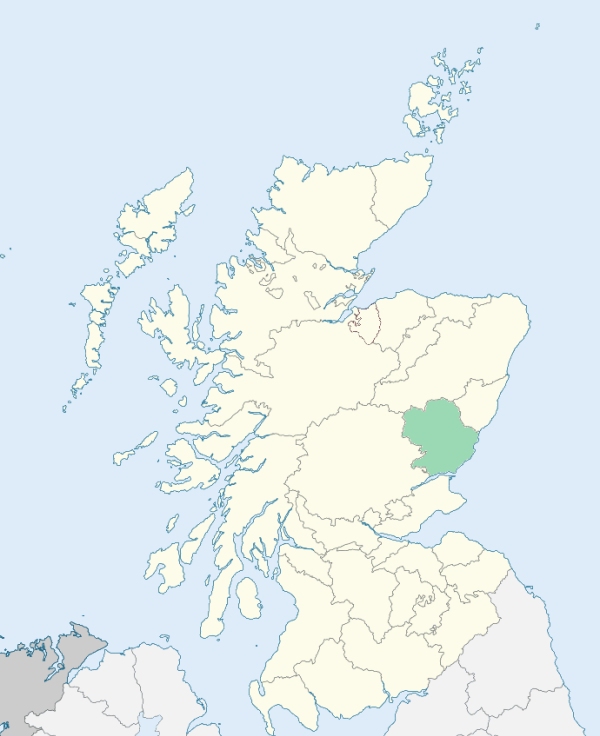
Carmyllie is a parish among the south-eastern Sidlaws of Forfarshire. It is bounded by Kirkden, Inverkeillor, St Vigeans, Arbirlot, Panbride, Monikie, Guthrie, and Dunnichen. (1867: The Imperial Gazetteer of Scotland, by John Marius Wilson).
Carmylie, Carnegie, Cockhill, Cononsythe, Conon, Graystone, Milltown or Milton, Redford, Skichen
Milton
PRE-REFORMATION GOVERNANCE:
POST-REFORMATION GOVERNANCE:
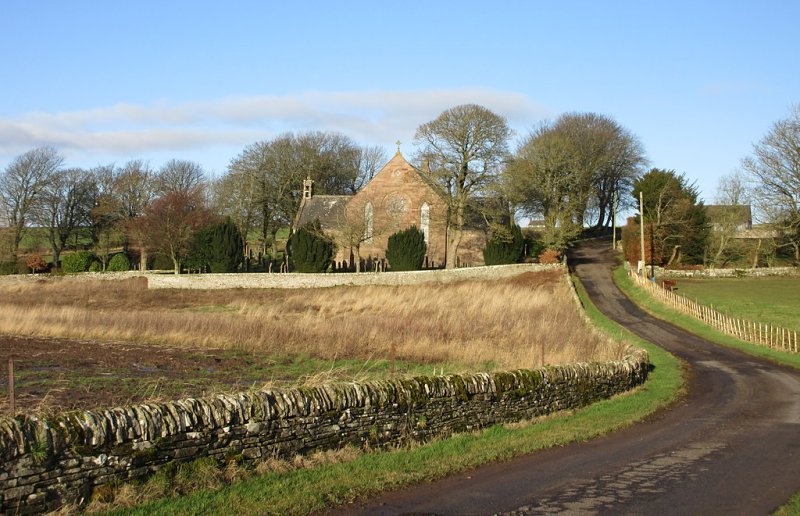
A chapel of St Mary was built at Carmylie in or about 1510. The parish of Carmylie was disjoined from Panbride, St Vigeans, and Inverkeilor, and was erected by an Act of Parliament on 24 June 1609. At Both, within the bounds, stood a chapel of St Laurence. There was a Well of Our Lady at Milton of Carmylie. (1928: Fasti Ecclesiæ Scoticanæ, by Hew Scott, D. D.)
Includes ministers, licentiates, assistants, readers, and clerks.
(1928: Fasti Ecclesiæ Scoticanæ, by Hew Scott, D. D.)
Parish registers turned over to the Registrar-General, as a result of the Registration of Births, Deaths, and Marriages (Scotland) Act of 1854. The letters B. D. and M. indicate Births (or Baptisms), Deaths (or Burials), and Marriages (or Proclamations of Banns) respectively. Numbers indicate separate volumes or books. Note: These records are by no means complete or without damage; consult the Detailed List of the Old Parochial Registers of Scotland (1872) to learn more about the condition of the records.
| OPR and RD Numbers | |||
|---|---|---|---|
| Date Range | Name | Number | Type |
| 1684-1854 | Carmyllie | 276 | OPR |
| 1855-1968 | Carmyllie | 276 | RD |
| 2009 | Angus, Arbroath | 369 | RD |
| 2026 | Angus Council; Murroes and Wellbank Community Council | ||
(2009: Parishes and Registration Districts of Scotland - Old and New, National Records of Scotland)
Local community councils (2026) are provided as a potential source of additional information for settlements within the original boundaries of the parish. (Source)
Statistics from informal and official censuses
Anderson, Brown, Fairweather, Findlay, Milne, Reid, Sim, Smith, Stewart, Sturrock
Note: Names appearing in research materials, other than censuses. Simple names (First name, surname only) have been omitted unless they appear associated with large properties. All women's names, and men's names with occupations, military ranks, or peerage titles are included.
By the Reverend Mr Patrick Bryce.
"The population of the parish, as returned to Dr Webster about 40 years ago, was 730 souls. It has since rather decreased. Some mechanics, especially weavers, have removed to the trading boroughs of Dundee and Aberbrothock (Arbroath), where they meet with good encouragement from the manufacturing companies in these towns. Its inhabitants may not amount to about 700. There are very few dissenters in the parish; not exceeding 20. There is only 1 brewer; 4 persons retail ale.
There is a parochial schoolmaster here. He has about 50 scholars in winter, and 30 in summer. Much praise is due to the people for promoting and encouraging the education of the youth of both sexes. They have subscribed a certain sum for building a school-house, and are determined to give every support in their power to the person who is to have the charge of instructing the girls in the different branches of needlework."
(This section contains excerpts, at times restructured or paraphrased, from an article appearing in Statistical Account of Scotland, Sir John Sinclair, 1791-1799)
Primary Sources:
Statistical Account of Scotland (1791-1799), Volume 1, p. 435
New Statistical Account of Scotland (1834-1845), Volume 11, Section I, p. 351
See Parish Page Sources for all source information and links.