Abercurnig
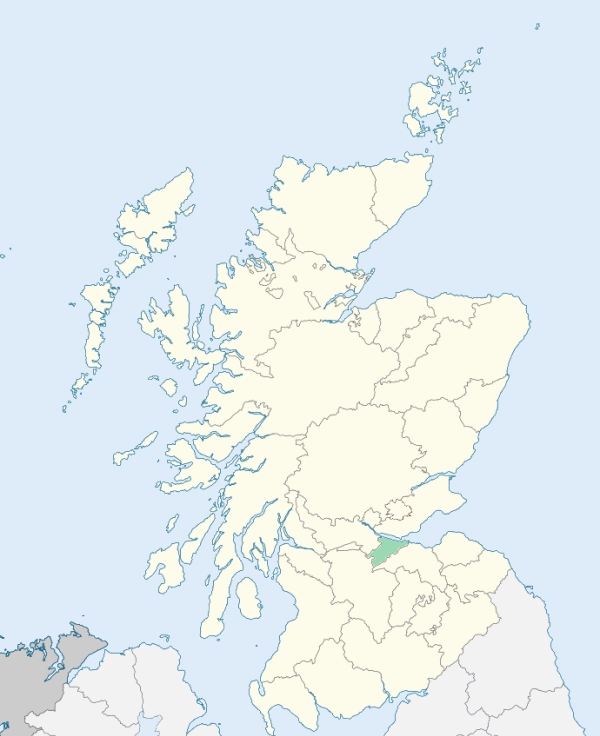
Abercorn is a parish on the north of Linlithgowshire. It is bounded by the Firth of Forth, and by the parishes of Dalmeny, Kirkliston, Ecclesmachan, Linlithgow, and Carriden. (1867: The Imperial Gazetteer of Scotland, by John Marius Wilson).
Abercorn, Newport, Philipston or Phillipstoun, Society, Winchburg
Craigton
PRE-REFORMATION GOVERNANCE:
POST-REFORMATION GOVERNANCE:
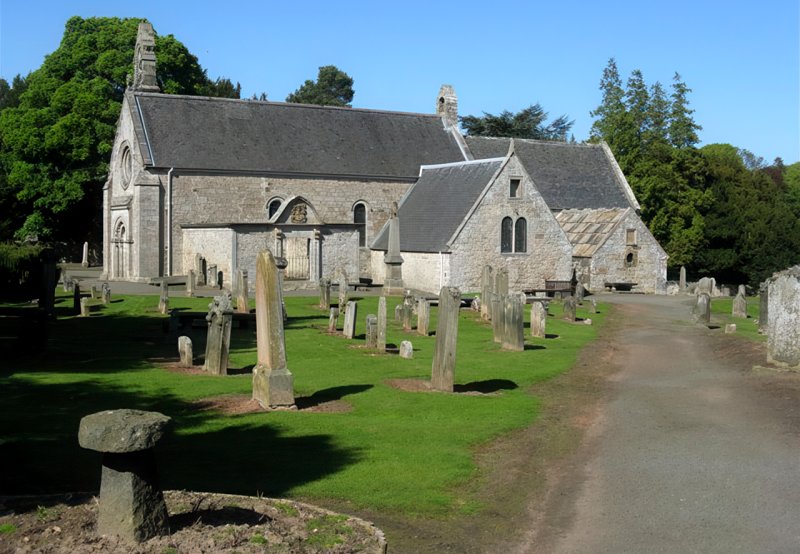
The church, dedicated to St Serf, in all probability occupies the site of St Wilfrid's monastery of Aebercurnig, founded about 675.
Includes ministers, licentiates, assistants, readers, and clerks.
(1928: Fasti Ecclesiæ Scoticanæ, by Hew Scott, D. D.)
Parish registers turned over to the Registrar-General, as a result of the Registration of Births, Deaths, and Marriages (Scotland) Act of 1854. The letters B. D. and M. indicate Births (or Baptisms), Deaths (or Burials), and Marriages (or Proclamations of Banns) respectively. Numbers indicate separate volumes or books. Note: These records are by no means complete or without damage; consult the Detailed List of the Old Parochial Registers of Scotland (1872) to learn more about the condition of the records.
| OPR and RD Numbers | |||
|---|---|---|---|
| Date Range | Name | Number | Type |
| 1585-1854 | Abercorn | 661 | OPR |
| 1855-1969 | Abercorn | 661 | RD |
| 2009 | City of Edinburgh, Queensferry | 743 | RD |
| 2026 | West Lothian Council; Newton Community Council | ||
(2009: Parishes and Registration Districts of Scotland - Old and New, National Records of Scotland)
Local community councils (2026) are provided as a potential source of additional information for settlements within the original boundaries of the parish. (Source)
Statistics from informal and official censuses
Baird, Dickson, Duncan, Gray, King, Miller, Potter, Smith, Stewart, Tully
Note: Names appearing in research materials, other than censuses. Simple names (First name, surname only) have been omitted unless they appear associated with large properties. All women's names, and men's names with occupations, military ranks, or peerage titles are included.
By the Reverend Hugh Meiklejohn, Minister.
"In the year 1792, a list, completely accurate, was made up, in the course of parochial duty, by the writer of this account, and with a view to it, when the number was 870; and he has no reason to think there is any considerable alteration since that time. There were, in that year, 451 males, 419 females, 215 under 10 years old.
There is no manufacture or great work carried on in the parish of Abercorn. There are, indeed, a few tradesmen, such as masons, wrights, smiths, shoemakers, weavers, tailors, &c., but in some of these branches the number is not sufficient for the accommodation of the inhabitants. There is neither surgeon, writer, nor merchant. The houses in which spiritous liquors and ale are sold are few; and these, kept by sober and respectable people, do not seem to have the injurious effects which alehouses are generally said to produce.
There is nothing particularly striking in the appearance or manners of the people of Abercorn. They are peaceable, sober, industrious, and regular, in an eminent degree. Less addicted to violet disputation concerning the doctrines of Christianity than the people in many parishes of Scotland, they have much more of the practice of it. Though by no means in a sequestered situation, they are removed from the immediate taint of that licentiousness which destroys the lower orders in cities and great towns."
(This section contains excerpts, at times restructured or paraphrased, from an article appearing in Statistical Account of Scotland, Sir John Sinclair, 1791-1799)
Primary Sources:
Statistical Account of Scotland (1791-1799), Volume 20, p. 383
New Statistical Account of Scotland (1834-1845), Volume 2, Section I, p. 18
See Parish Page Sources for all source information and links.