Corstorphine and Gogar
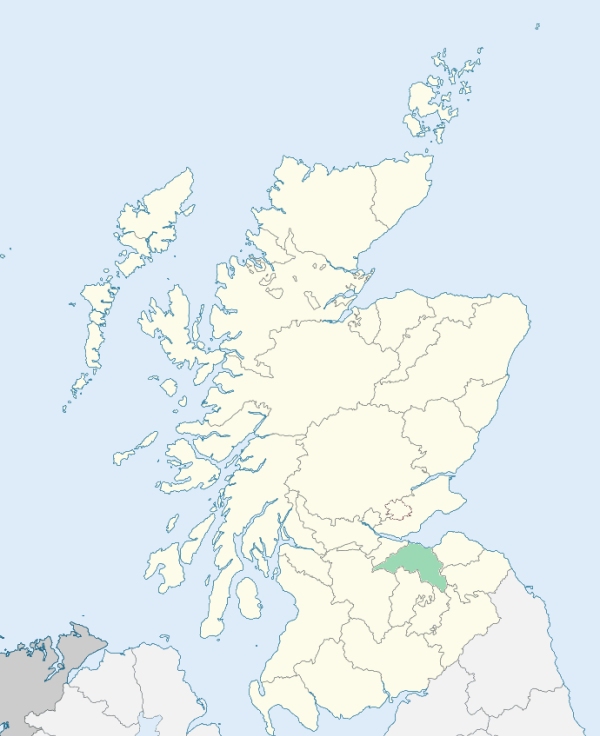
Corstorphine is a parish in the north-west of Edinburghshire. It is bounded by Cramond, St Cuthberts, Colinton, Currie, Ratho, and Kirkliston. (1867: The Imperial Gazetteer of Scotland, by John Marius Wilson).
Blackhall, Corstorphine, Four Mile Hill, Gogar, Stanhope Mills
Clermiston, Ravelston
The parish of Corstorphine had one small detached part, situated south-west of the village of Corstorphine and west of South Gyle. This detached part was transferred to the parish of Currie. See affected properties and landholders. (1892: Boundary of counties and parishes in Scotland as settled by the Boundary Commissioners under the Local Government Act, 1889, by Hay Shennan)
PRE-REFORMATION GOVERNANCE:
POST-REFORMATION GOVERNANCE:
The church, dedicated to St John Baptist, and made collegiate by Sir John Forrester in 1429, was previous to the Reformation, an appanage of the Abbey of Holyroodhouse. Gogar, which formerly belonged to the Trinity College Church, was united to Corstorphine on 22 May 1599.
Includes ministers, licentiates, assistants, readers, and clerks.
(1928: Fasti Ecclesiæ Scoticanæ, by Hew Scott, D. D.)
Parish registers turned over to the Registrar-General, as a result of the Registration of Births, Deaths, and Marriages (Scotland) Act of 1854. The letters B. D. and M. indicate Births (or Baptisms), Deaths (or Burials), and Marriages (or Proclamations of Banns) respectively. Numbers indicate separate volumes or books. Note: These records are by no means complete or without damage; consult the Detailed List of the Old Parochial Registers of Scotland (1872) to learn more about the condition of the records.
| OPR and RD Numbers | |||
|---|---|---|---|
| Date Range | Name | Number | Type |
| 1634-1854 | Corstorphine | 678 | OPR |
| 1855-1920 | Corstorphine | 678 | RD |
| 1921-1929 | Corstorphine (City of Edinburgh) | 685-13 | RD |
| 1921-1929 | Corstorphine | 685-13 | RD |
| 1930-1932 | Corstorphine | 685-12 | RD |
| 2009 | City of Edinburgh, Leith | 730 | RD |
| 2026 | City of Edinburgh Council; Corstorphine and Clermiston Community Council | ||
(2009: Parishes and Registration Districts of Scotland - Old and New, National Records of Scotland)
Local community councils (2026) are provided as a potential source of additional information for settlements within the original boundaries of the parish. (Source)
Statistics from informal and official censuses
Collins, Dickson, Murray, Orr, Paterson, Smith, Stewart, Thomson, Walker, Wilson
Note: Names appearing in research materials, other than censuses. Simple names (First name, surname only) have been omitted unless they appear associated with large properties. All women's names, and men's names with occupations, military ranks, or peerage titles are included.
By the Reverend Mr James Oliver.
"The present number of souls is 1037: of males 484, of females 553, at 8 years of age, and under, there are 228; of families there are 250. The number of farms is about 17. Dissenters of every denomination from the Established Church are 55. Among these, 1 is a Cameronian; the rest, for the greatest part, belong to the two sects of Seceders.
There are no manufacturers in this parish. The numbers employed in the common occupation of tradesmen are: 3 tailors with 1 apprentice, 8 weavers with 3 apprentices, 9 carpenters with 6 apprentices and 2 journeymen, 8 masons with 1 apprentice and 1 journeyman, 4 smiths with 2 apprentices and 1 journeyman, 2 shoemakers, 2 butchers, 1 brewer, and 1 baker.
The manners of the people employed in husbandry are generally marked by contentment, respect for religion, and every peaceable disposition. The people of this parish, in respect of their general character, are entitled to praise. They are industrious in their occupations: and, though in the neighbourhood of the capital, they discover no foolish and vain desire to copy after its fashions; neither have they adopted its vices."
(This section contains excerpts, at times restructured or paraphrased, from an article appearing in Statistical Account of Scotland, Sir John Sinclair, 1791-1799)
Primary Sources:
Statistical Account of Scotland (1791-1799), Volume 14, p. 447
New Statistical Account of Scotland (1834-1845), Volume 1, p. 205
See Parish Page Sources for all source information and links.